Does Grapefruit Interact with Medications? The Complete Guide to the CYP3A4 Connection
By Vincent Couey, OmniRx founder. Source-cited from FDA, openFDA FAERS, DailyMed, NIH National Library of Medicine, and CMS data. Updated .
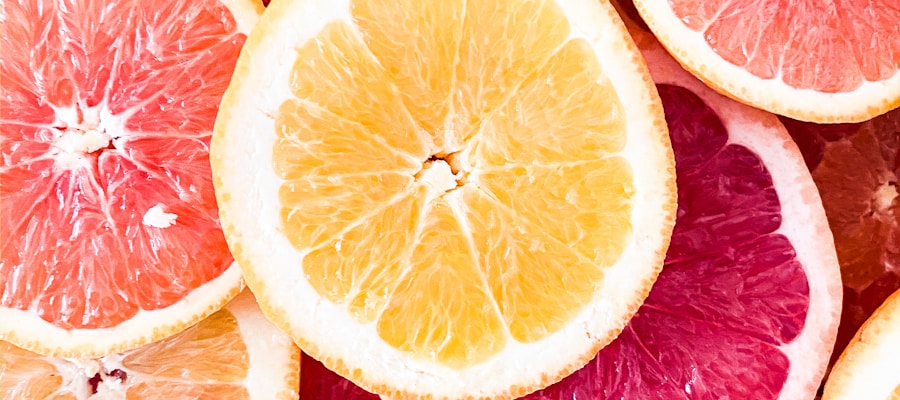
A single grapefruit can alter drug metabolism for up to 72 hours.
The grapefruit-medication interaction is one of the most well-documented food-drug interactions in clinical pharmacology, and also one of the most misunderstood by the general public. Many people assume it is a minor issue, that a small glass of juice is harmless, or that separating grapefruit and medication by a few hours eliminates the risk. None of these assumptions are correct.
This guide explains the mechanism in detail, lists every major drug category affected, quantifies the risk, and provides clear alternatives for people who love grapefruit but need to protect their medication regimen. If you want to check whether your specific medications interact with grapefruit, use the OmniRx Interaction Checker and enter "grapefruit" alongside your medication names.
The Mechanism: How Grapefruit Changes Drug Metabolism
To understand the grapefruit interaction, you need to understand first-pass metabolism and the role of the CYP3A4 enzyme.
First-pass metabolism: the gatekeeper
When you swallow a pill, the drug travels from your stomach to your small intestine, where it is absorbed into the cells lining the intestinal wall (enterocytes). Before reaching the bloodstream, the drug encounters metabolic enzymes inside these cells. These enzymes break down a percentage of the drug, reducing the amount that actually enters circulation. This process is called first-pass metabolism.
For drugs with high first-pass metabolism, the intestinal enzymes destroy 50-90% of the ingested dose before it reaches the bloodstream. The prescriber accounts for this when setting the dose. A drug with 10% oral bioavailability (meaning 90% is lost to first-pass metabolism) is dosed 10 times higher than the amount actually needed in the blood.
CYP3A4: the enzyme grapefruit destroys
CYP3A4 is the most abundant cytochrome P450 enzyme in the intestinal wall and the liver. It is responsible for metabolizing approximately 50% of all marketed medications, according to the FDA's guidance on clinical drug interaction studies. In the intestine specifically, CYP3A4 is the primary first-pass gatekeeper for an enormous range of drugs.
Grapefruit contains compounds called furanocoumarins (primarily bergamottin and 6',7'-dihydroxybergamottin). These compounds are suicide inhibitors of CYP3A4. The term "suicide inhibitor" comes from enzymology: the furanocoumarin binds to the active site of CYP3A4 and is converted into a reactive intermediate that permanently destroys the enzyme. The inhibition is irreversible. Once a CYP3A4 enzyme molecule is destroyed, it is gone until the body synthesizes a new one.
Why timing does not solve the problem
This irreversible destruction is the key to understanding why you cannot simply take your medication 2 hours before or after eating grapefruit. A single glass of grapefruit juice destroys intestinal CYP3A4 enzymes within 30 minutes. Full recovery of enzyme activity takes 24-72 hours, depending on the individual's rate of new enzyme synthesis. During that entire window, any CYP3A4-dependent medication you take will have significantly elevated blood levels.
A study published in the British Journal of Clinical Pharmacology (2004) demonstrated that a single 200 mL glass of grapefruit juice reduced intestinal CYP3A4 activity by 47% within 4 hours, and activity had not fully recovered at 24 hours. Daily grapefruit consumption produces cumulative enzyme depletion, maintaining chronically elevated drug levels. Source: Bailey DG et al., "Grapefruit-medication interactions: Forbidden fruit or avoidable consequences?" CMAJ, 2013.
A single glass of grapefruit juice destroys intestinal CYP3A4 enzymes within 30 minutes. Full recovery of enzyme activity takes 24-72 hours.Source / Bailey et al., CMAJ 2013
CYP3A4 enzymes metabolize roughly half of all medications on the market.
Which Medications Interact with Grapefruit?
The list is extensive. Below are the major drug categories, organized by clinical significance. This is not exhaustive. More than 85 individual drugs have documented grapefruit interactions. If your medication is not listed, check the OmniRx Interaction Checker or review your drug's FDA-approved labeling.
Statins (cholesterol-lowering drugs)
| Drug | Effect of Grapefruit | Clinical Significance |
|---|---|---|
| Simvastatin (Zocor) | Blood levels increase up to 330% | High risk of rhabdomyolysis. Avoid grapefruit entirely. |
| Lovastatin (Mevacor) | Blood levels increase up to 260% | High risk. Avoid grapefruit entirely. |
| Atorvastatin (Lipitor) | Blood levels increase approximately 80% | Moderate risk. Avoid large quantities; small amounts may be tolerated. |
| Rosuvastatin (Crestor) | Minimal effect | Safe with grapefruit. Not significantly metabolized by CYP3A4. |
| Pravastatin (Pravachol) | No significant effect | Safe with grapefruit. Not metabolized by CYP3A4. |
The distinction between statins matters enormously. If you take simvastatin and cannot give up grapefruit, switching to rosuvastatin or pravastatin eliminates the interaction entirely while providing equivalent cholesterol-lowering effect. Discuss this option with your prescriber. Compare statin prices across pharmacies at RxGrab.
Detailed page: Atorvastatin and grapefruit interaction
Calcium channel blockers (blood pressure drugs)
| Drug | Effect of Grapefruit | Clinical Significance |
|---|---|---|
| Felodipine (Plendil) | Blood levels increase up to 300% | The index drug for grapefruit interaction research. Avoid completely. |
| Nifedipine (Procardia) | Blood levels increase up to 130% | Significant. Can cause hypotension, headache, flushing. |
| Amlodipine (Norvasc) | Blood levels increase modestly (15-20%) | Low clinical significance for most patients. Generally tolerated. |
| Diltiazem (Cardizem) | Blood levels increase approximately 40% | Moderate. May cause excessive heart rate reduction. |
| Verapamil (Calan) | Blood levels increase approximately 40% | Moderate. Monitor for dizziness and bradycardia. |
Felodipine is the drug most commonly used in grapefruit interaction research because the effect is so dramatic. The original discovery of grapefruit-drug interactions happened by accident during a 1989 felodipine study when researchers used grapefruit juice to mask the taste of alcohol in a drug interaction experiment. The felodipine levels were unexpectedly high in the grapefruit juice group, leading to the identification of the CYP3A4 mechanism.
Immunosuppressants
- Cyclosporine (Sandimmune, Neoral): Blood levels can increase 40-80%. Cyclosporine has a very narrow therapeutic index. Elevated levels can cause nephrotoxicity and neurotoxicity. Transplant recipients must avoid grapefruit entirely.
- Tacrolimus (Prograf): Blood levels can increase 200-400% with grapefruit. Even more dangerous than the cyclosporine interaction because tacrolimus has an even narrower therapeutic window. Source: Transplant pharmacy guidelines, American Society of Transplantation.
- Sirolimus (Rapamune): Blood levels increase significantly. Same avoidance recommendation.
For transplant patients, the grapefruit interaction is not theoretical. It is a documented cause of organ rejection (from subtherapeutic levels after grapefruit cessation alters the dosing equilibrium) and drug toxicity (from grapefruit-elevated levels). Transplant pharmacists universally counsel patients to eliminate grapefruit from their diet entirely.
Anti-cancer drugs
- Crizotinib, dasatinib, erlotinib, imatinib, lapatinib, nilotinib, sunitinib, vandetanib: All metabolized by CYP3A4. Grapefruit can increase blood levels and toxicity. Most oncology guidelines recommend grapefruit avoidance during treatment with these agents.
Anti-anxiety and sedative medications
- Buspirone (BuSpar): Blood levels increase up to 900% with grapefruit juice. This is one of the most dramatic grapefruit interactions documented. Symptoms of buspirone toxicity include extreme drowsiness, dizziness, and nausea.
- Diazepam (Valium): Blood levels increase approximately 150%. Increased sedation and CNS depression risk.
- Midazolam (Versed): Oral bioavailability increases approximately 50-100%. Used as a model drug in CYP3A4 research.
- Alprazolam (Xanax): Modest increase in blood levels (approximately 30%). Less clinically significant than diazepam interaction but still worth noting for patients on higher doses.
Other notable interactions
- Amiodarone: Blood levels increase, potentially worsening QT prolongation and proarrhythmic effects.
- Carbamazepine (Tegretol): Increased blood levels can cause toxicity: dizziness, ataxia, drowsiness.
- Sildenafil (Viagra), tadalafil (Cialis): Blood levels increase, potentially amplifying side effects (headache, flushing, hypotension). The effect is usually moderate but relevant for patients also taking blood pressure medications.
- Colchicine: CYP3A4-mediated metabolism. Grapefruit can increase colchicine levels and toxicity risk, which is significant because colchicine toxicity can be fatal.
- Fentanyl (oral): Increased blood levels. Potentially dangerous given fentanyl's potency and narrow margin of safety.
Affected by grapefruit
Metabolized by CYP3A4
Generally safe
Not CYP3A4 substrates
What About Other Citrus Fruits?
Not all citrus fruits contain furanocoumarins. The critical distinction:
Fruits that CAN cause the same interaction as grapefruit:
- Seville oranges (sour oranges, used in marmalade and some cocktails)
- Pomelos (closely related to grapefruit, contain high furanocoumarin levels)
- Tangelos (a grapefruit-tangerine hybrid)
- Limes (contain furanocoumarins, though in lower concentrations than grapefruit)
Fruits that are SAFE:
- Sweet oranges (navel, Valencia, blood oranges)
- Tangerines and clementines
- Lemons (negligible furanocoumarin content)
- Mandarins
If you enjoy citrus and take CYP3A4-dependent medications, sweet oranges are the best substitute. They provide similar flavor and nutritional benefits without the enzyme-destroying furanocoumarins. For more on how foods interact with your health, Health Britannica covers food-nutrient interactions in depth.
Medications That Are Safe with Grapefruit
Many commonly prescribed medications are NOT metabolized by CYP3A4 and are safe to take with grapefruit. Knowing these can save you unnecessary dietary restriction:
- Rosuvastatin (Crestor) and pravastatin (Pravachol): Both are safe. If you take one of these statins, grapefruit is not a concern.
- ACE inhibitors (lisinopril, enalapril, ramipril): Not CYP3A4 substrates. Safe with grapefruit.
- ARBs (losartan, valsartan, irbesartan): Generally safe with grapefruit. Losartan is metabolized by CYP2C9, not CYP3A4.
- Beta-blockers (metoprolol, atenolol, propranolol): Not significantly affected by grapefruit.
- Metformin: Not metabolized by cytochrome P450 enzymes at all. Safe with grapefruit.
- Levothyroxine: Not a CYP3A4 substrate. Safe with grapefruit (though levothyroxine has other food interactions, particularly with calcium and iron).
- Acetaminophen (Tylenol) and ibuprofen: Not significantly affected by grapefruit.
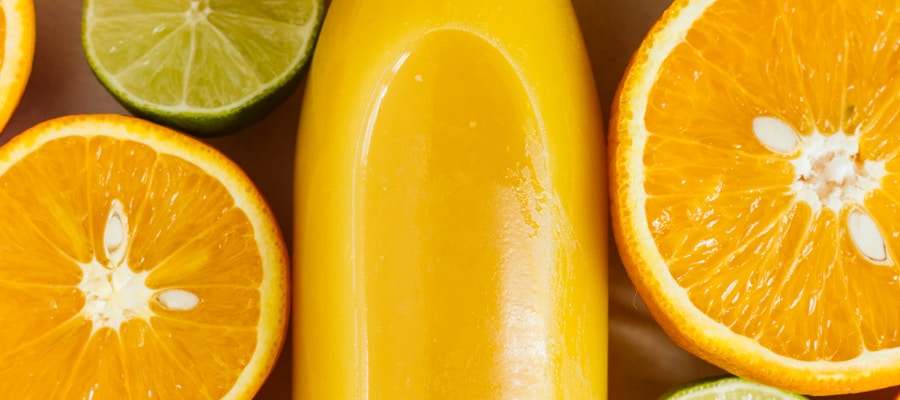
Sweet oranges provide the same citrus experience without CYP3A4 inhibition.
How to Manage the Interaction
If you take a medication that interacts with grapefruit, you have three options:
The core takeaway: The interaction lasts up to 72 hours from a single serving, and timing your medication around grapefruit does not fix the problem. Complete avoidance or a switch to a non-interacting drug is the reliable fix, and either change should be made with your prescriber.
Option 1: Eliminate grapefruit entirely
This is the simplest and safest approach. If your medication has a significant grapefruit interaction (simvastatin, felodipine, tacrolimus, buspirone), complete avoidance is strongly recommended. Remember that this includes grapefruit juice (including blends that contain grapefruit), grapefruit segments in salads, grapefruit marmalade, and grapefruit-flavored drinks made with real grapefruit extract.
Option 2: Switch to a non-interacting medication
Within most drug classes, there are alternatives that are not CYP3A4 substrates. Simvastatin can be replaced with rosuvastatin. Felodipine can potentially be replaced with a different blood pressure medication class. Your prescriber can often find an equally effective option that removes the interaction entirely.
Option 3: Limit grapefruit consumption (for low-risk interactions only)
For medications with modest grapefruit interactions (atorvastatin, amlodipine), occasional small amounts of grapefruit may be tolerable. "Small amount" means no more than half a grapefruit or 4 oz of juice, no more than 3 times per week. This approach requires your prescriber's explicit approval and may require monitoring of drug levels or clinical effects.
The Reverse Interaction: Grapefruit and Drug Absorption Reduction
While most grapefruit interactions involve increased drug levels (through CYP3A4 inhibition), grapefruit also inhibits organic anion-transporting polypeptides (OATPs) in the intestinal wall. OATPs are uptake transporters that help certain drugs cross from the intestinal lumen into enterocytes. When grapefruit inhibits OATPs, these drugs are absorbed less effectively, resulting in lower blood levels and reduced therapeutic effect.
Drugs affected by OATP inhibition include:
- Fexofenadine (Allegra): Grapefruit juice reduces fexofenadine absorption by approximately 60-70%. Orange juice and apple juice have a similar effect. This is the opposite direction from the CYP3A4 interaction. Taking fexofenadine with grapefruit, orange, or apple juice makes the antihistamine less effective. Take it with water instead.
- Celiprolol: Absorption reduced by approximately 85% with grapefruit juice.
- Certain thyroid cancer drugs (e.g., levothyroxine in specific formulations): OATP-mediated absorption may be affected, though the clinical significance varies.
This bidirectional effect (some drugs go up, some go down) is why blanket advice like "grapefruit makes drugs stronger" is incomplete. The effect depends on whether the drug is primarily affected by CYP3A4 metabolism or OATP-mediated absorption.
Key Medical Sources
- Bailey DG, Dresser G, Arnold JMO. "Grapefruit-medication interactions: Forbidden fruit or avoidable consequences?" Canadian Medical Association Journal. 2013;185(4):309-316. (The definitive review article identifying 85+ interacting drugs.)
- FDA Drug Development and Drug Interactions guidance. "Clinical Drug Interaction Studies: Cytochrome P450 Enzyme- and Transporter-Mediated Drug Interactions." Updated 2020.
- Hanley MJ, Cancalon P, Widmer WW, Greenblatt DJ. "The effect of grapefruit juice on drug disposition." Expert Opinion on Drug Metabolism & Toxicology. 2011;7(3):267-286.
- Seden K, Dickinson L, Khoo S, Back D. "Grapefruit-drug interactions." Drugs. 2010;70(18):2373-2407.
- National Institutes of Health, National Center for Complementary and Integrative Health. "Grapefruit and drug interactions."
Frequently Asked Questions
How much grapefruit does it take to cause a drug interaction?
Can I drink grapefruit juice if I take atorvastatin (Lipitor)?
Does grapefruit interact with blood pressure medications?
What citrus fruits interact with medications like grapefruit does?
Why do some medications say "avoid grapefruit" on the label?
Sources and standards behind this page
Drug coverage in the United States is governed by published rules rather than by any one insurer's summary, and the sources below are the primary ones. They are linked so a reader can check a claim without taking this page's word for it.
- FDA Orange Book publishes the therapeutic-equivalence ratings that decide whether a generic may be substituted for a brand-name drug.
- FDA generic drug facts sets out what "generic equivalent" means and what a manufacturer must prove.
- CMS prescription drug coverage defines the rules a Medicare drug plan formulary must follow and how it may change mid-year.
- Medicare.gov drug coverage (Part D) states what a Part D plan is required to offer a member.
- CMS prescription drug appeals documents the coverage-determination and exception process when a drug is denied.
- Medicare Plan Compare is the official tool for checking what a specific plan charges for a specific drug at a specific pharmacy.
- Drugs@FDA is the federal database of approved drug products, which establishes whether a covered product exists and in what form.
- DailyMed carries the current FDA labeling for every marketed drug product, including approved strengths and forms.
- MedlinePlus drug information is the National Library of Medicine's consumer reference for what a medication is and how it is used.
- FTC report on pharmacy benefit managers documents how the middlemen between an insurer and a pharmacy shape what a plan actually covers.
- National Library of Medicine maintains the drug and health databases the sources above draw on.
This page describes how coverage and formularies work. It is not medical advice, and a reader's own plan documents and prescriber decide what applies to them.